Key Indications and Signs to Identify in People With Behavior Autism
When you experience someone with behavior autism, identifying vital indications and signs is necessary. In addition, sensory level of sensitivities can lead to overwhelming experiences.
Obstacles in Social Communications
When you connect with a person on the autism spectrum, you could observe they deal with social signs and communication. These obstacles can make social communications really feel frustrating for them. You might see them avoiding eye contact or standing as well close or as well much away during conversations, which can create misconceptions. They might not notice body language or face expressions, making it harder for them to evaluate just how others are feeling.
Additionally, you may discover that they choose routines and familiar setups, which can limit their determination to involve in new social scenarios. They might speak regarding their rate of interests in fantastic detail without seeing if you're interested when they do engage. This can result in one-sided conversations that leave you really feeling disconnected. Comprehending these obstacles can aid you approach communications with compassion and persistence, cultivating an extra comfy setting for both of you.
Problem With Verbal and Non-Verbal Interaction

Acknowledging these signs is vital, as it helps you better support and involve with people on the autism spectrum. By recognizing their communication challenges, you can promote extra meaningful connections and provide a much more encouraging environment.
Repetitive Actions and Regimens
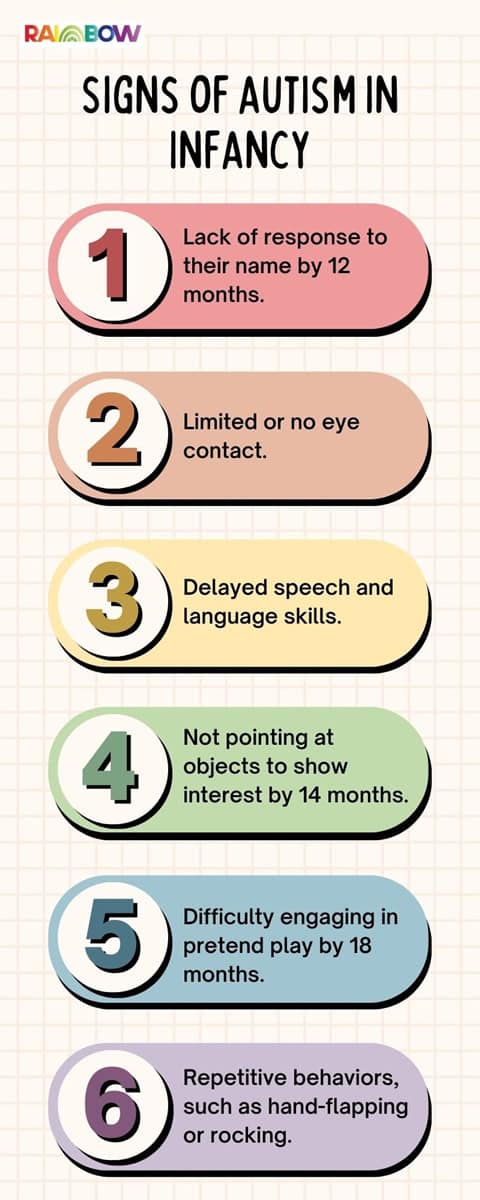
Communication difficulties typically accompany various other indicators of autism, such as repetitive behaviors and a solid preference for routines. You might discover that people with autism commonly participate in specific, repeated activities, like hand-flapping, shaking, or repeating expressions. These habits can give comfort and a sense of control in a typically frustrating world.
Regimens are just as important; numerous individuals flourish when they adhere to an organized timetable. You might discover that adjustments to these routines can bring about substantial distress. For instance, if they have an everyday ritual of consuming morning meal at a particular time or adhering to a specific path to college, any kind of disturbance can trigger anxiousness.
Identifying these patterns assists you comprehend their habits and give assistance. By fitting their need for regular and permitting recurring actions, you can produce a much more comfortable atmosphere that relieves their difficulties.
Sensory Sensitivities
Usual Sensory Triggers
Sensory level of sensitivities can substantially impact every day life for individuals with autism, as specific stimuli often trigger frustrating responses. Common sensory triggers consist of loud noises, intense lights, and strong smells. You could discover that abrupt sounds, like alarms or sirens, create stress and anxiety or distress. In a similar way, fluorescent lighting in shops can really feel uncomfortable and extreme. Structures can additionally play a significant function; harsh textiles or particular food textures may be unbearable for you. Furthermore, crowded places can overwhelm your senses, making it difficult to concentrate or kick back. Understanding these triggers can help you manage your atmosphere better. By being mindful of what influences use this link you, you can take actions to minimize discomfort and improve your everyday experiences.
Behavior Feedbacks Explained
Understanding your behavior feedbacks to sensory sensitivities is necessary, as they commonly expose exactly how you communicate with the world. You might notice that particular audios, lights, or structures overwhelm you, resulting in stress and anxiety or discomfort. When confronted with these stimulations, you might withdraw, cover your ears, and even respond strongly. These actions aren't just quirks; they're your method of dealing with overstimulation. You may likewise discover on your own looking for particular sensory experiences, like deep stress or peaceful environments, to help ground on site web your own. Acknowledging these patterns assists you understand your requirements better and can lead how you connect them to others. By recognizing your sensory sensitivities, you can function towards developing an environment that feels a lot more comfortable and convenient for you.
Coping Approaches Introduction
Recognizing your sensory sensitivities is just the very first step; now it's time to discover coping approaches that can help you manage those experiences efficiently. Begin by producing a sensory toolkit tailored to your needs. Establishing an organized regimen can likewise supply predictability, reducing anxiety around sensory overload.
Restricted Interests and Emphasis
While lots of individuals create a large variety of rate of interests, those with autism usually show limited rate of interests and an intense concentrate on details subjects. You might notice that a person with autism can invest hours delving right into their favored topic, whether it's a certain sort of train, a particular movie, or a scientific concept. This intense emphasis isn't just a leisure activity; it can end up being a main component of their identity and social communications.
You may locate that discussions focus on these passions, and they may struggle to engage in more comprehensive topics. For them, these concentrated rate of interests provide convenience and a sense of proficiency. While it's crucial to encourage expedition of new subjects, valuing their passions is just as crucial. By comprehending and acknowledging these limited interests, you can cultivate a supportive atmosphere where they really feel valued and understood, permitting more purposeful connections and interactions.
Emotional Law Troubles
Individuals with autism commonly face obstacles in psychological guideline, which can be affected by their extreme concentrate on certain rate of interests. You may observe that when an individual is deeply participated in a preferred activity, they can experience solid feelings, whether enjoyment or disappointment. When points don't go as prepared., this intensity occasionally makes it difficult for them to shift gears or handle their feelings - Aba Therapist.
Variability in Developmental Milestones
When it pertains to developmental turning points, you'll observe that people with autism often reveal a vast array of irregularity. Some might hit turning points promptly, while others might hang back or progress at a Get More Information different speed. For example, you could see a child succeed in language skills however have problem with social communications. This incongruity can be complex, as typical benchmarks don't always apply.
It's necessary to identify that each person's trip is one-of-a-kind. Some might create complicated abilities early, just to encounter obstacles later. Others could take longer to achieve standard milestones yet after that grow in details locations. Observing these patterns can assist you recognize their staminas and needs much better.
Frequently Asked Inquiries
Just How Is Autism Identified in Children and Grownups?
To detect autism in grownups and youngsters, experts assess behavior, interaction abilities, and social communications. They frequently utilize standardized examinations, meetings, and monitorings to figure out if a private meets the standards for autism spectrum disorder.
Are There Different Kinds Of Autism Spectrum Disorders?
Yes, there are various kinds of autism range disorders, consisting of Asperger's syndrome and prevalent developing disorder-not or else specified. Each kind varies in seriousness and qualities, so recognizing these distinctions can aid you much better assistance people with autism.
What Treatments Work for People With Autism?
When considering reliable therapies for individuals with autism, you'll find alternatives like Applied Behavior Analysis, speech treatment, and work treatment. Each approach can aid improve communication, social abilities, and daily working customized to individual requirements.
Can People With Autism Lead Independent Lives?
Yes, individuals with autism can lead independent lives. With the best assistance, abilities training, and sources, you can help them establish self-sufficiency, take care of daily tasks, and prosper in various settings, fostering their self-reliance.
Exactly How Can Families Support Liked Ones With Autism?
You can sustain your loved ones with autism by producing a structured setting, urging their interests, exercising perseverance, fostering communication, and promoting social skills. Commemorate their achievements, no issue just how small, and construct a helpful community.
Although numerous individuals on the autism range can recognize and use language, they commonly encounter substantial obstacles with both non-verbal and spoken interaction. Identifying these indicators is essential, as it helps you far better assistance and involve with people on the autism spectrum. You may discover that individuals with autism typically engage in particular, repeated activities, like hand-flapping, shaking, or duplicating expressions.Sensory level of sensitivities can significantly affect everyday life for individuals with autism, as specific stimuli typically activate frustrating responses.When it comes to developmental milestones, you'll notice that people with autism usually show a vast variety of irregularity.